
Summary:
Swollen feet in diabetic patients are commonly caused by fluid retention linked to poor circulation or nerve damage, but the same symptom can also stem from more severe complications like diabetic kidney disease.
If simple adjustments do not fully relieve the swelling, tracking your blood sugar levels closely and seeking professional medical evaluation can help target the underlying cause and prevent long-term complications.
For diabetic patients, swollen feet are not an uncommon occurrence. In diabetes, the body is unable to respond properly to the hormone insulin, leading to persistently elevated blood sugar levels. One common complication of this chronic condition is swelling in the feet due to fluid buildup (oedema). In this article, we explore the various underlying causes of such buildup and how to manage it to prevent further complications.
What Causes Swollen Feet in Diabetic Patients?
When fluid accumulates in the tissues of the feet, they can become puffy or swollen. The pressure from this buildup often causes discomfort or pain (e.g., tightness, stiffness, etc) in the affected area. In Singapore, several factors may contribute to swollen feet in diabetic patients.

Impaired Blood Flow Due to Diabetes
High blood sugar levels can cause the walls of blood vessels to stiffen and narrow, a condition known as atherosclerosis. As circulation becomes impaired, fluid may accumulate, leading to swelling in the feet.
In addition, the small valves in the leg veins that prevent blood from flowing backward due to gravity may become compromised. When this happens, blood can pool in the lower legs, causing the feet and ankles to swell.

Diabetic patients are also more prone to developing blood clots, such as deep vein thrombosis (DVT), which can further contribute to swelling in the feet. More importantly, DVT poses a serious risk of life-threatening complications in diabetic patients, including heart disease and stroke.
Nerve Damage (Diabetic Neuropathy)
When blood sugar levels are not managed properly, the excess glucose in the bloodstream can lead to nerve damage (neuropathy), interfering with the nerves’ ability to transmit signals throughout the body. Over time, this may cause numbness in areas such as the lower legs and feet. When a patient is unable to feel pain or other sensations, they may not notice injuries (e.g., sores, cuts or sprains), making them more prone to swelling when such injuries go untreated. Moreover, impaired blood flow due to diabetes can hinder the healing process in affected areas, leading to prolonged swelling.
Fluid Retention and Inflammation
As we now know, poor blood circulation can contribute to fluid buildup and retention in tissues, causing swelling. In diabetic patients, persistently uncontrolled blood sugar often also triggers chronic inflammation, which can further contribute to swelling in vulnerable areas such as the feet.
While swollen feet are indeed a common symptom in diabetic patients due to elevated blood sugar levels, patients should also be aware that the same symptom can occur as a result of more serious complications like kidney disease (diabetic nephropathy). Therefore, any new or persistent swelling in the feet may warrant a visit to a diabetes specialist in Singapore to investigate the underlying cause.
It is also important to note that each individual’s body responds differently to diabetes. Currently, there is no clear threshold for how high or how long blood sugar levels must remain elevated before complications like impaired blood flow or nerve damage develop. Therefore, early detection and proper management of the condition remain the safest approach to prevent unwanted complications such as swollen feet.
How Diabetics Can Manage and Prevent Swollen Feet
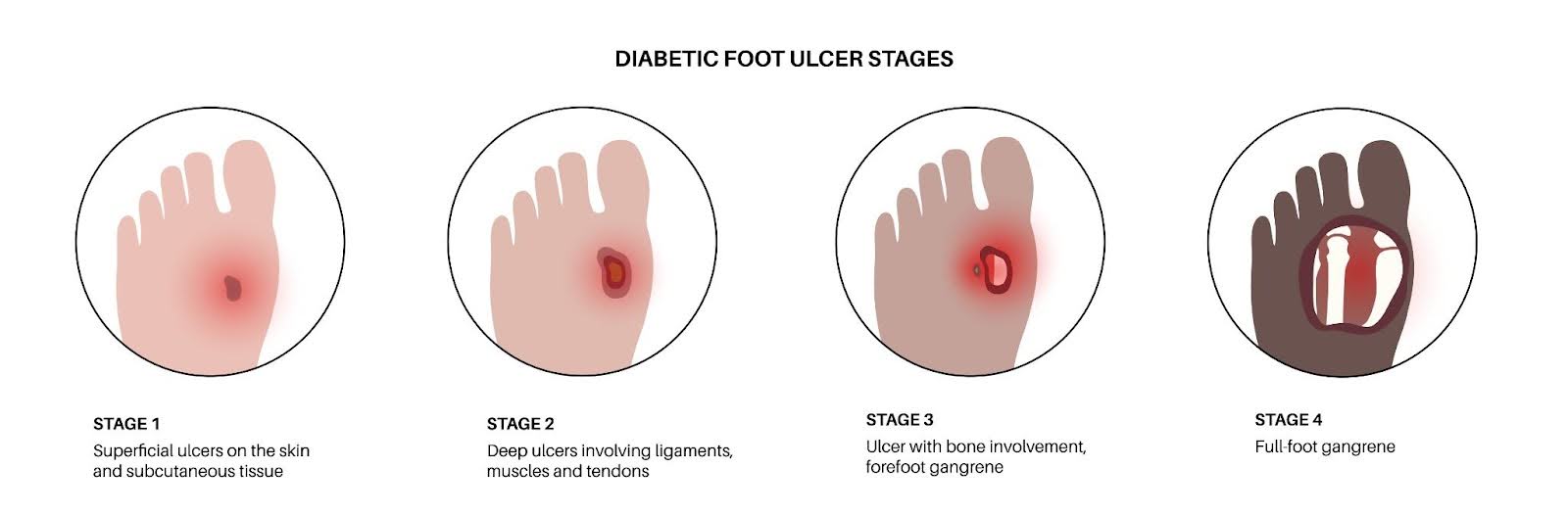
Tenderness or pain from swollen feet can make daily activities, such as walking or wearing shoes, challenging. More concerningly, if the underlying causes of swelling are left unaddressed, they may lead to further complications such as diabetic foot ulcers or Charcot’s foot (a condition that alters your foot shape).
Therefore, it is crucial for diabetic patients to learn how they can manage their condition and prevent swollen feet to maintain their quality of life.
Using Compression Wear for Support

One practical way to prevent swollen feet is by wearing compression socks. Unlike regular socks, compression socks are tighter which helps to stimulates blood circulation and minimise swelling through gentle pressure to the feet and lower legs.
Additionally, patients are encouraged to wear socks and shoes at all times. This helps minimise the risk of injury, whether from a minor cut caused by debris on the ground or from developing blisters due to walking barefoot. It also protects the feet from extreme temperatures that could lead to injury.
Incorporating Low-Impact Physical Activity

Opting for movement through low-impact activities is another effective way to promote blood circulation without putting too much strain on the feet. These include exercises such as walking, yoga, or stretching. Incorporating stretches or movement that elevates the feet can also direct fluid away from building up in the feet.
Prioritising Daily Foot Care
For individuals with diabetes, daily foot care is essential for maintaining healthy feet. This includes routine checks and proper care to prevent complications. Since diabetic patients are prone to nerve damage and may lose sensation in their feet, regular self-examinations are important to identify unnoticed swelling or injuries early.

Proper foot care is also equally important which include daily feet washing, wearing proper shoes, and trimming your toenails straight across. Doing these will keep your feet healthy and prevent injuries that could cause swelling.
Monitoring Blood Sugar Levels
We’ve learned that high blood sugar levels are a major cause of swollen feet in many diabetic patients. As such, a vital step in preventing recurrence is to manage blood sugar levels effectively through regular monitoring and adherence to prescribed medication.
Seeking Professional Medical Advice
Facing a chronic condition like diabetes can be daunting, but you don’t have to manage it alone. Thanks to advancements in medical care, diabetes can now be effectively managed. To ensure you receive timely treatment and guidance for preventing diabetes-related issues such as swollen feet, seek professional advice from an endocrinologist, a specialist trained in managing hormone-related conditions like diabetes.

Diabetes Treatment in Singapore
In Singapore, consult an endocrinologist for diabetes care. Depending on your diagnosis, your specialist will be able to personalise a treatment plan tailored to your condition and needs.
At its core, diabetes is a highly manageable condition, especially when diagnosed early and treated appropriately. Diabetes treatment in Singapore typically includes lifestyle modifications, medication, and regular monitoring. With these measures in place, patients can be reassured that the risk of complications such as swollen feet can be significantly reduced.
If you’re struggling to manage your condition or are experiencing complications such as swollen feet, consider booking an appointment with Dr Vikram Sonawane, Medical Director of Harmony Thyroid, Endocrinology and Diabetes Centre, and an experienced endocrinologist. Dr Vikram is a seasoned specialist with expertise in managing various types of diabetes, including Type 1, Type 2, and gestational diabetes. He is also well-equipped to handle complex diabetes-related complications, such as peripheral vascular disease, diabetic foot ulcers, diabetic neuropathy, and diabetic kidney disease.
References
- Mayo Clinic Staff. Diabetic neuropathy. Mayo Clinic. Published April 5, 2023. Accessed August 1, 2025. https://www.mayoclinic.org/diseases-conditions/diabetic-neuropathy/symptoms-causes/syc-20371580
- Holland K. Diabetes and swollen feet: Causes, complications, and treatments. Verywell Health. Updated July 17, 2023. Accessed August 1, 2025. https://www.verywellhealth.com/diabetes-and-swollen-feet-6503070
- Smith M. What to know about diabetes and swollen feet. HealthCentral. Published April 14, 2023. Accessed August 1, 2025. https://www.healthcentral.com/condition/diabetes/diabetes-swollen-feet
- Cardiovascular Research and Training Institute. The role of inflammation in diabetes-related heart complications. CVRTI, University of Utah. Accessed August 1, 2025. https://cvrti.utah.edu/the-role-of-inflammation-in-diabetes-related-heart-complications/
- National Institute of Diabetes and Digestive and Kidney Diseases. Keep your feet healthy. National Institute of Diabetes and Digestive and Kidney Diseases. Accessed August 1, 2025. https://www.niddk.nih.gov/health-information/diabetes/overview/preventing-problems/foot-problems#keep