

Understanding Hypogonadism

Hypogonadism is characterised by the body’s sex glands (gonads) producing insufficient hormones. In men, hypogonadism typically results in low testosterone, while the condition involves insufficient production of oestrogen and progesterone in women.
Hypogonadism predominantly affects males, particularly as they age. Although the condition can occur in females, it is more commonly recognised and diagnosed in men.
Types of Hypogonadism
Hypogonadism is broadly classified into two main types based on the origin of the dysfunction:
- Primary Hypogonadism (Hypogonadotropic Hypogonadism): This type occurs due to problems in the gonads (testes in men or ovaries in women), where the organs fail to produce adequate sex hormones. Causes include genetic conditions, autoimmune diseases, infections, and damage from radiation or trauma.
- Secondary Hypogonadism (Hypogonadotropic Hypogonadism): This type is a result of issues in the hypothalamus or pituitary gland, which fail to signal the gonads to produce hormones. Causes can include pituitary disorders, brain injuries, chronic illnesses, and certain medications.
Each type requires a distinct approach to diagnosis and treatment depending on the underlying cause.
Symptoms of Hypogonadism

- Low Libido: Reduced interest in sexual activity due to hormonal imbalances.
- Fatigue: Persistent tiredness or lack of energy.
- Mood Changes: Feelings of depression, irritability, or difficulty concentrating.
- Decreased Muscle Mass: Reduced muscle strength and mass over time.
- Increased Body Fat: Accumulation of fat, especially around the abdomen.
- Reduced Bone Density: Higher risk of osteoporosis and fractures.
- Infertility: Difficulty in producing healthy sperm in men or irregular menstrual cycles in women.
- Reduced Hair Growth in Men: Less body or facial hair.
- Breast Enlargement in Men (Gynecomastia): Lower testosterone levels can lead to a hormonal imbalance favouring oestrogen. This shift may stimulate breast tissue, causing enlargement.
- Hot Flashes in Women: Reduced oestrogen levels can trigger hot flashes, similar to those in menopause. These are sudden, intense feelings of heat, often accompanied by sweating that may lead to discomfort and disrupted sleep patterns.
These symptoms can vary depending on the age of onset and the underlying cause. Seeking help from an endocrinologist when experiencing symptoms of hypogonadism, such as fatigue, reduced libido, or muscle loss, is crucial because these specialists are trained to diagnose and manage hormone imbalances. An endocrinologist can identify the underlying cause of hypogonadism, whether due to issues in the pituitary gland, testicular function, or another hormonal imbalance and recommend appropriate treatment to mitigate long-term health risks. Early intervention can help prevent complications like osteoporosis, cardiovascular issues, and decreased quality of life.
Diagnosis of Hypogonadism
At Harmony Thyroid, Endocrinology and Diabetes Centre, Dr Vikram Sonawane, our experienced endocrinologist in Singapore will conduct a thorough assessment that usually includes:
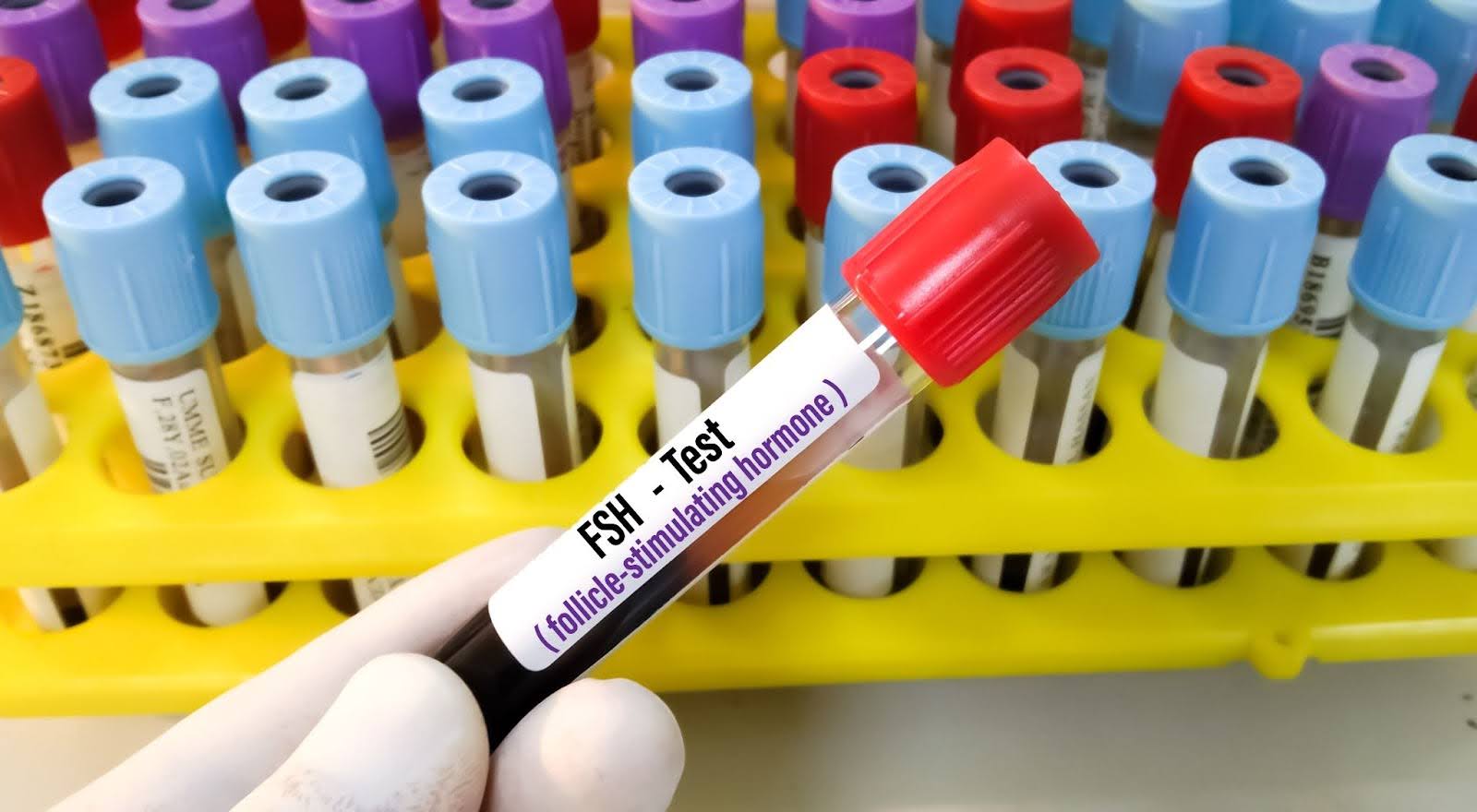
- Blood Test: Measuring hormone levels to confirm the diagnosis, usually done with additional hormone tests to understand if the hypogonadism is primary or secondary.
- Physical Exam: Examining your muscle mass, body hair, and genitals.
- MRI or CT Scans: Checking for abnormalities in the hypothalamus or pituitary gland.

Treatment Plans for Hypogonadism
Dr Vikram will tailor your treatment plan according to your condition, which typically includes:
- Hormonal Replacement Therapy: Hypogonadism can typically be treated effectively with hormonal replacement therapy. This therapy can be administered through injections, patches, gels, or tablets to replace the ones that the body no longer produces.
- In Men: Testosterone replacement is the primary therapy, which helps restore hormone levels, improve energy, and alleviate symptoms of low testosterone such as lower libido and muscle mass.
- In Women: Estrogen and progesterone replacement are commonly used, particularly if hypogonadism causes hypoestrogenism, to help manage symptoms like hot flashes, osteoporosis, and menstrual irregularities.
- Gonadotropin Injections: If the goal is also to enhance fertility, our Endocrinologist may recommend this treatment option.
- In Men: They stimulate testosterone production and increase sperm production, making them helpful for treating hypogonadism and infertility that are caused by hormonal deficiencies.
- In Women: They help stimulate ovulation by promoting the maturation of ovarian follicles, commonly used in fertility treatments.

If you or your loved ones are suffering from hypogonadism, please schedule an appointment with our Senior Consultant Endocrinologist, Dr Vikram, from Harmony Thyroid, Endocrinology, and Diabetes Centre.
References:
- Pietrangelo A. Hypogonadism Treatment: Hormone Replacement Therapy (HRT). Healthline. Published November 12, 2012. Accessed October 30, 2024. https://www.healthline.com/health/hypogonadism/hormone-replacement-therapy#Hormone-Replacement-Therapy
- Hypogonadism: MedlinePlus Medical Encyclopedia. medlineplus.gov. https://medlineplus.gov/ency/article/001195.htm