
If you have been advised to undergo osteoporosis screening in Singapore, you may be wondering what the test involves and how to interpret the results. Understanding the numbers on your report can help you have a more informed discussion with your doctor about your bone health, risk factors, and next steps.
At Harmony Endocrine, Dr Vikram provides assessment and guidance for patients who may be at risk of low bone density, osteoporosis, or fragility fractures.
Why Bone Density Testing Is Important
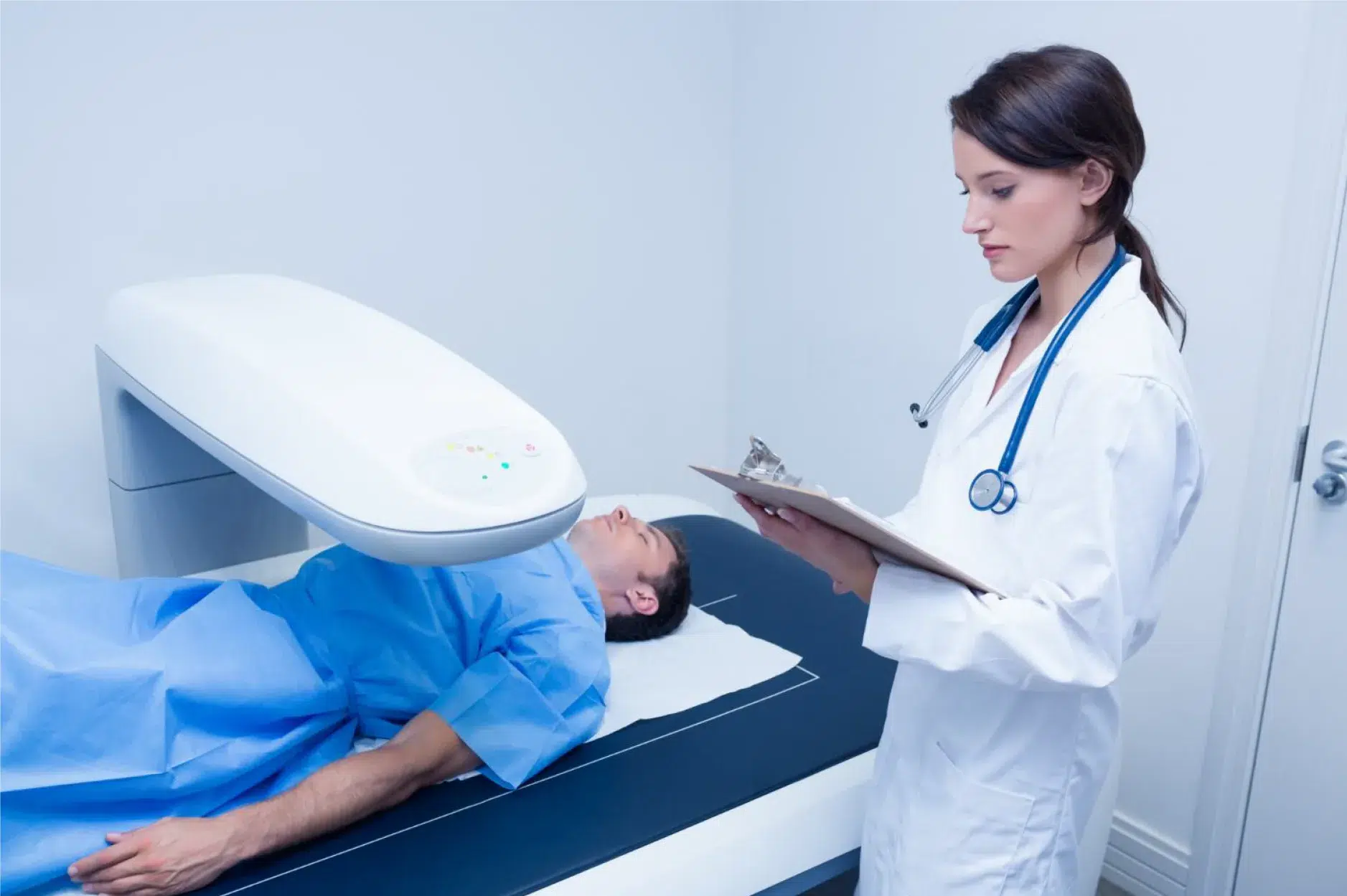
This can be important because osteoporosis may not cause noticeable symptoms in its early stages. Some people only discover they have weakened bones after a fracture from a minor fall or everyday activity.
Bone density testing may be considered if you:
- are older and want to assess your bone health
- have risk factors for osteoporosis
- have had a previous low-trauma fracture
- have gone through menopause
- have certain endocrine or medical conditions that may affect bone strength
- have been on medications that may contribute to bone loss
A bone density test does not just give a number. It provides useful information that can help guide monitoring, lifestyle advice, and whether further evaluation or treatment may be appropriate.
What to Expect from a Bone Density Test
A bone density test is generally a quick and non-invasive scan. It is typically performed using low-dose X-rays to measure bone mineral density, usually at the hip and spine.
In many cases:
- you will lie on a scanning table
- the scan is painless
- no injections are needed
- the procedure usually takes only a short time
Your doctor may advise whether any special preparation is needed before the test. Once the scan is completed, the results are reviewed together with your age, medical history, fracture history, and other clinical risk factors.
Understanding Your Test Results
Bone density test results often include a T-score. This is one of the key numbers used to interpret your bone health. The T-score compares your bone density with that of a healthy young adult reference population.
Understanding Your T-score
T-score | Bone Density Category | What It Means |
-1.0 and above | Normal | Bone density is within the expected range |
Between -1.0 and -2.5 | Low bone mass / Osteopenia | Bone density is lower than normal, with increased risk of osteoporosis over time |
-2.5 and below | Bone density is in the osteoporosis range and fracture risk is higher |
T-score Table
It is important to remember that the test result is only one part of the overall picture. A lower T-score may suggest reduced bone strength, but your doctor will also consider other factors such as:
- whether you have had a previous fracture
- your age
- family history
- body weight
- smoking or alcohol use
- other medical conditions
- medications such as long-term steroids
In some cases, a person may not have a T-score in the osteoporosis range but could still be at meaningful fracture risk based on their clinical profile. This is why bone health assessment should always be interpreted in context rather than based on a single number alone.
What Affects Your Bone Density?
Bone density can be influenced by many factors over time. Some are related to age and hormones, while others are linked to lifestyle, medical conditions, or medication use.
Age and Gender
Bone density generally changes with age. Bone mass tends to decline over time, and this process may become more noticeable in later life. Women are often at increased risk after menopause because hormonal changes can accelerate bone loss. Men can also develop low bone density, especially with advancing age or certain medical risk factors.
Lifestyle Choices
Everyday habits may influence bone health. Examples include:
- low physical activity
- smoking
- excessive alcohol intake
- inadequate intake of calcium or vitamin D
- being underweight
Lifestyle changes may support overall bone health, although the right approach depends on the individual and their risk profile.
Medical Conditions and Medications
Some medical conditions can affect bone density, including endocrine disorders, gastrointestinal conditions associated with poor absorption, and chronic inflammatory illnesses. Long-term use of certain medications, such as glucocorticoids, may also contribute to bone loss.
Because bone health can be influenced by multiple factors, a specialist assessment may be useful in identifying possible causes and deciding whether further tests are needed.
What to Do After Getting Your Results
If your bone density results show low bone mass or osteoporosis, the next step is not always the same for every patient. Your doctor will usually interpret the scan together with your medical history, risk factors, and any symptoms or fracture history.
Depending on your individual profile, recommendations may include:
- further evaluation for underlying causes of bone loss
- lifestyle and nutrition advice
- fall prevention strategies
- repeat monitoring after an appropriate interval
- discussion of whether medication may be suitable
For some people, the main focus may be prevention and monitoring. For others, especially those with higher fracture risk, a more active management plan may be considered.
The key point is that your results should be understood in the context of your overall health, not viewed in isolation.
Get a Bone Density Test with Osteoporosis Screening
If you are concerned about your bone health, a bone density test may be an important part of osteoporosis screening in Singapore. It can help identify reduced bone density earlier and support decisions about prevention, monitoring, and management.
Screening may be worth discussing if you have risk factors such as increasing age, menopause, previous fractures, long-term steroid use, or medical conditions that can affect bone strength.
At Harmony Endocrine, Dr Vikram takes an individualised approach to bone health assessment. This includes reviewing your risk factors, explaining your results clearly, and advising on appropriate next steps based on your needs.
Book an Osteoporosis Screening at Harmony Endocrine
Understanding your bone density results is an important step in protecting your long-term bone health. Whether you are coming for a first assessment or looking for clarity after a recent scan, getting the right medical advice can help you make informed decisions.
If you would like to find out more about osteoporosis screening Singapore, book a consultation with Dr Vikram at Harmony Endocrine. A personalised assessment can help you better understand your bone health and whether further evaluation or management is appropriate for you.