

Understanding Gynecomastia
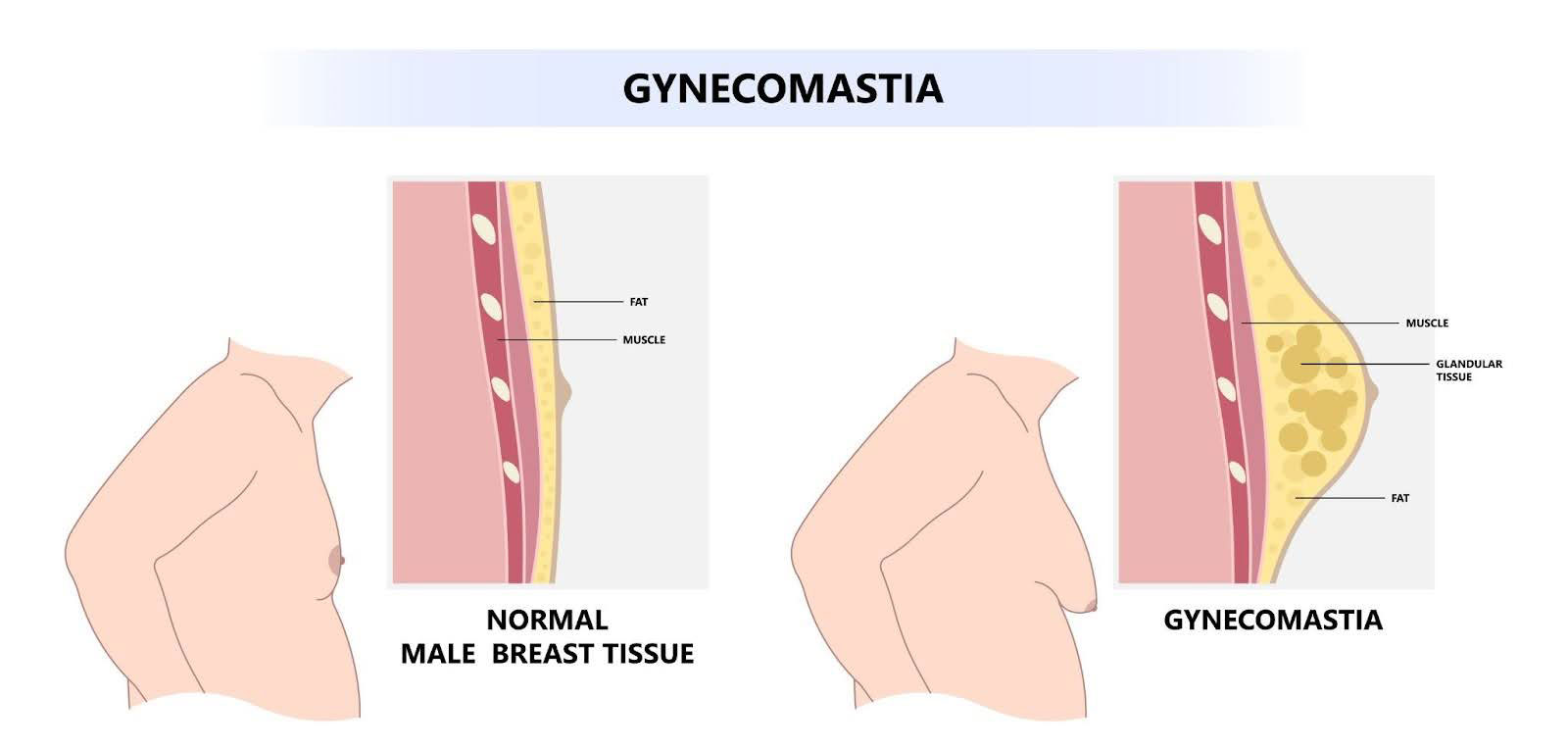
Gynecomastia, also known as “man boobs”, is a condition characterised by the abnormal growth of breast tissue in males, often caused by hormonal imbalances where oestrogen levels surpass testosterone. This condition can affect one or both breasts, sometimes unevenly. Gynecomastia is prevalent among older men, especially those over 50, due to age-related hormonal changes.
While the condition is generally benign, in rare instances, underlying malignancies or other conditions may present similarly, so persistent or unusual symptoms like firm lumps or nipple discharge should be evaluated by an Endocrinologist in Singapore to rule out any serious conditions.
Causes of Gynecomastia

- Natural Hormonal Shifts: Common during ageing, leading to temporary or chronic gynecomastia.
- Medications: Certain drugs, including anti-androgens, steroids, anti-anxiety medicines, and antibiotics, can lead to this condition.
- Health Disorders: Liver disease, kidney failure, adrenal tumours, hyperthyroidism (overactive thyroid), male hypogonadism (low testosterone), pituitary adenoma (pituitary gland tumours can disrupt hormone balance, leading to gynecomastia.
- Lifestyle Factors: Excessive alcohol, marijuana, and anabolic steroids use can make men more prone to suffering from gynecomastia due to their effects on hormones.
Symptoms of Gynecomastia
Gynecomastia usually looks and feels like a button-sized growth below your nipple. You may be able to view this as a breast lump or feel it when you press on the area.
- Rubbery or Firm Sensation: This rubberiness or firmness is usually located directly under the nipple and may create a distinct lump, which is different from the diffuse, softer feel of chest fat.
- Tenderness or Sensitivity: Ranges from mild discomfort to pain, especially when pressed.
- Changes in Nipple Position or Size: As the tissue builds up beneath it, the nipple may begin to project outward more noticeably. This protrusion can make the nipple more prominent, sometimes extending further than the surrounding chest area, and may appear asymmetrical if one side is affected more than the other.
- Skin Stretching: The skin over the breast might appear thin or stretched, occasionally leading to itchiness.
- Nipple Discharge: Fluid coming out of one or both breast nipples. While gynecomastia itself is often benign, nipple discharge—especially if it is spontaneous or bloody—requires immediate medical attention, as it may suggest infections, hormonal imbalances, or, in rare cases, male breast cancer.
If you have the symptoms above, it is essential to consult an Endocrinologist. If gynecomastia is left untreated, it can lead to several common complications, including chronic pain and tenderness, low self-esteem, anxiety, and body image concerns. Although rare, persistent gynecomastia has been associated with a slight increase in male breast cancer risk due to hormonal changes. An Endocrinologist can assess hormonal imbalances and recommend treatment to prevent these complications, promoting both physical and psychological well-being.
Diagnosis of Gynecomastia
At Harmony Thyroid, Endocrinology and Diabetes Centre, Dr Vikram Sonawane, our experienced Endocrinologist in Singapore, will conduct a thorough assessment that usually includes:
- History Taking: An Endocrinologist will find out about the patient’s medication use, as drugs like anti-androgens and certain antidepressants can contribute to gynecomastia. Additionally, he will ask about lifestyle factors, including alcohol use and anabolic steroid use, which may influence hormonal balance.
- Physical Examination: A thorough breast examination will be conducted to assess the size, texture, and tenderness of breast tissue.
- Hormone and Organ Function Tests: Blood tests to check liver, kidney, thyroid functions, and hormone levels.
- Imaging Studies: Mammograms or MRIs differentiate glandular tissue from fatty tissue.


Treatment Options for Gynecomastia
Dr Vikram will tailor your treatment plan according to your condition, which typically includes
- Medications: Prescription of medications such as tamoxifen or aromatase inhibitors, depending on the underlying cause.
- Lifestyle Adjustments: Maintaining a balanced diet, engaging in regular exercise, and avoiding alcohol and drugs can support overall health in individuals with gynecomastia, though lifestyle changes alone may not fully reverse the condition

If you or your loved ones suffer from gynecomastia, you can schedule an appointment with our Senior Consultant Endocrinologist, Dr Vikram, from Harmony Thyroid, Endocrinology, and Diabetes Centre.
References:
- Mayo Clinic. Enlarged breasts in men (gynecomastia) – Symptoms and causes. Mayo Clinic. Published 2019. https://www.mayoclinic.org/diseases-conditions/gynecomastia/symptoms-causes/syc-20351793
- Gynecomastia: What Is It, Causes, Diagnosis & Treatment. Cleveland Clinic. https://my.clevelandclinic.org/health/symptoms/16227-enlarged-male-breast-tissue-gynecomastia