

Understanding Hirsutism
Hirsutism is a condition characterised by excessive, unwanted hair growth in women in areas where hair is usually minimal or absent. The pattern of hair growth is similar to that of male secondary sexual hair distribution, including areas such as the face, chest, and back. This condition can be an indication of underlying health problems, such as excessive testosterone.
Hirsutism primarily affects women and is relatively common. Hirsutism can occur in women of all ethnic backgrounds; however, it is more prevalent in women of Mediterranean, Middle Eastern, and South Asian ancestry, likely due to genetic factors.
Causes of Hirsutism
The development of hirsutism is often linked to an increased level of male hormones (androgens), particularly testosterone. Several conditions and factors can lead to this hormonal imbalance:
- Polycystic Ovary Syndrome (PCOS): Responsible for many hirsutism cases in women.
- Congenital Adrenal Hyperplasia: Compromises adrenal gland function, resulting in excess androgen production.
- Cushing’s Syndrome: Characterised by high levels of cortisol, which may spur androgen production indirectly.
- Medications: Some medications, including anabolic steroids and others that affect hormone levels, can induce hirsutism.
Symptoms of Hirsutism

The most obvious symptom of hirsutism is the appearance of thick, dark hair on the body where men typically grow hair but women do not, such as:
- Facial Hair: Found on the upper lip, chin, and cheeks.
- Chest and Back Hair: Similar to male patterns of hair growth.
- Abdominal Hair: Forming a line from the navel to the pubic area. This hair growth can be accompanied by other signs of androgen excess like oily skin, acne, or male-pattern baldness.
Diagnosis of Hirsutism
At Harmony Thyroid, Endocrinology and Diabetes Centre, Dr Vikram Sonawane, our experienced endocrinologist in Singapore, will conduct a thorough assessment that usually includes:
- History Taking: Identifies any underlying conditions or familial patterns that may suggest causes like PCOS or congenital adrenal hyperplasia.
- Physical Examination: Evaluates the extent and pattern of hair growth and check for other physical signs of excess androgens.
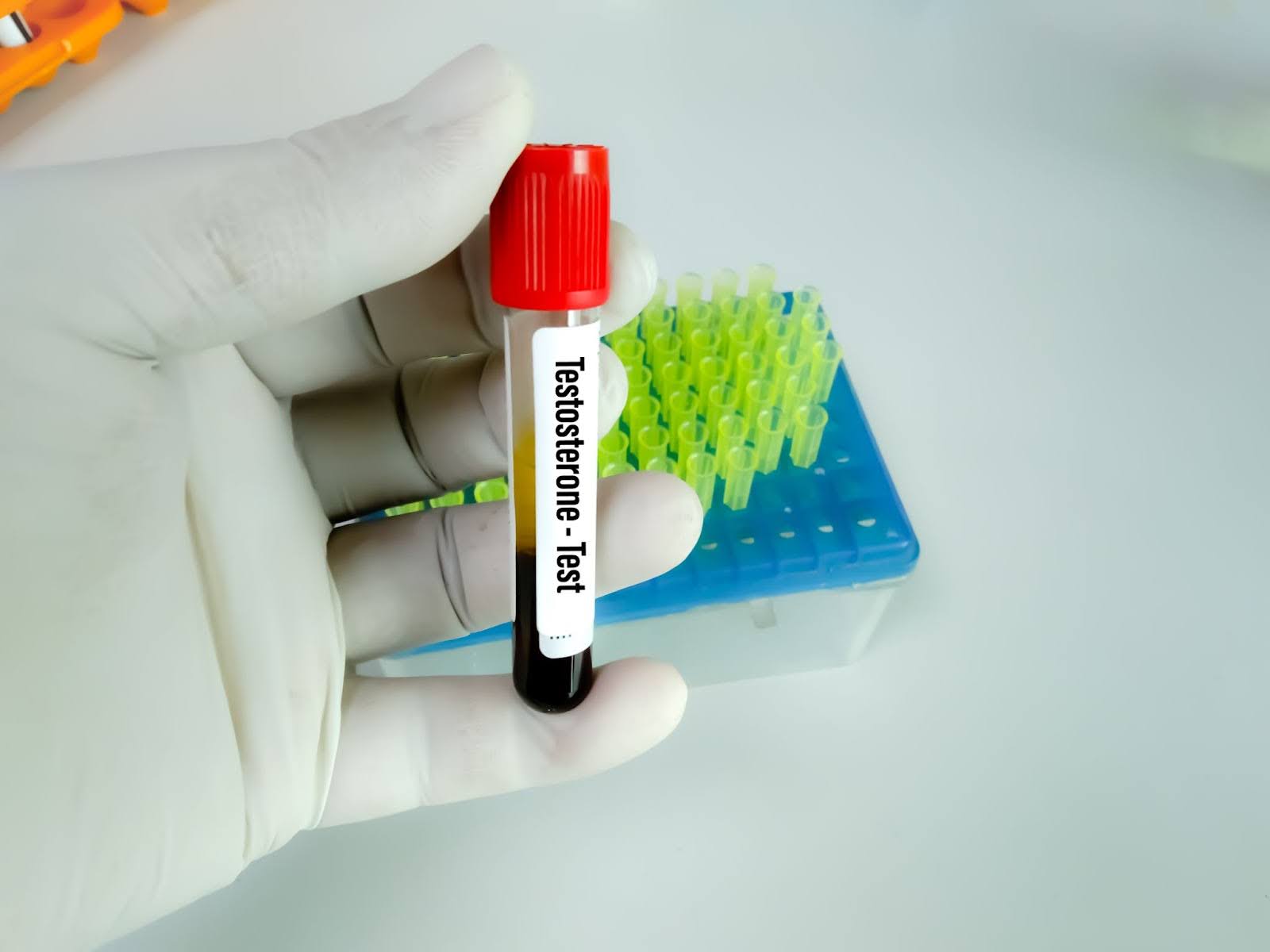
- Blood Tests: Measure levels of various hormones, including testosterone, androstenedione, and others related to adrenal and ovarian function.
- Imaging Tests: Detect ovarian or adrenal abnormalities potentially contributing to abnormal hair growth.

Treatment and Management Options for Hirsutism
Dr Vikram will tailor your treatment plan according to your condition, which typically includes
Medications
- Anti-androgens such as spironolactone, flutamide and finasteride can negate the effects that androgens have on the body.
- Birth control pills can help regulate menstruation and reduce levels of circulating androgens, which helps control hair growth. Pills containing both oestrogen and progestin can decrease the production of ovarian androgens.
- Topical creams such as Eflornithine Hydrochloride cream can help reduce the growth rate of new facial hair.
Lifestyle Modifications
- Losing weight may help decrease androgen levels and improve the effectiveness of other treatments for overweight women.
- Adopting a healthy diet that reduces sugar and refined carbohydrates can help manage PCOS and potentially reduce hirsutism.
If you or your loved ones are suffering from hirsutism, schedule an appointment with our Senior Consultant Endocrinologist, Dr Vikram, from Harmony Thyroid, Endocrinology, and Diabetes Centre.
References:
- Mayo Clinic. Hirsutism – Symptoms and causes. Mayo Clinic. Published 2018. https://www.mayoclinic.org/diseases-conditions/hirsutism/symptoms-causes/syc-20354935
- Cleveland Clinic. Hirsutism: What It Is, In Women, Causes, PCOS & Treatment. Cleveland Clinic. Published July 8, 2022. https://my.clevelandclinic.org/health/diseases/14523-hirsutism