

Understanding Infertility
Infertility is defined as the inability to achieve pregnancy after at least one year of regular, unprotected sexual intercourse. This condition can affect both males and females and involves a complex range of physical, hormonal, and environmental factors. In particular, hormonal imbalances are closely linked to infertility, as hormones play a critical role in regulating reproductive functions. Hormonal treatments can sometimes help manage these imbalances to improve the chances of conception.
Types of Infertility
- Primary Infertility: Refers to couples who have never conceived despite one year of regular, unprotected intercourse.
- Secondary Infertility: Occurs when a couple has previously conceived but cannot do so again after trying for at least a year.
Causes of Infertility
- Hormonal Imbalances & Infections: Conditions like hypogonadism and hyperprolactinemia can disrupt reproductive functions.
- Sperm Disorders: Issues like low sperm count, poor motility, or abnormal shape.
- Ejaculation Issues: Such as premature or retrograde ejaculation.
- Varicocele: Enlarged veins in the scrotum affecting sperm quality.
- Ovulatory Disorders: Conditions like polycystic ovary syndrome (PCOS) and overactive or underactive thyroid gland affect egg release.
- Tubal Occlusion: Blockages in the fallopian tubes.
- Uterine Conditions: Fibroids or polyps can prevent implantation.
- Endometriosis: Tissue grows outside the uterus, affecting fertility.
- Age-Related Factors: A decline in egg quality and quantity with age.
Symptoms of Infertility

A key indicator of infertility is the inability to conceive after at least a year of regular, unprotected intercourse. In many cases, there may be no additional signs, but some individuals might experience physical symptoms such as:
- Pelvic or abdominal pain.
- Irregular or absent periods in women.
- Penile disorders or ejaculation problems in men.
These signs can point to underlying issues affecting fertility.
Diagnosis of Infertility
At Harmony Thyroid, Endocrinology and Diabetes Centre, Dr Vikram Sonawane, our experienced endocrinologist in Singapore will conduct a thorough assessment that usually includes:
- Medical History & Physical Exam: Both partners’ health and habits are assessed.
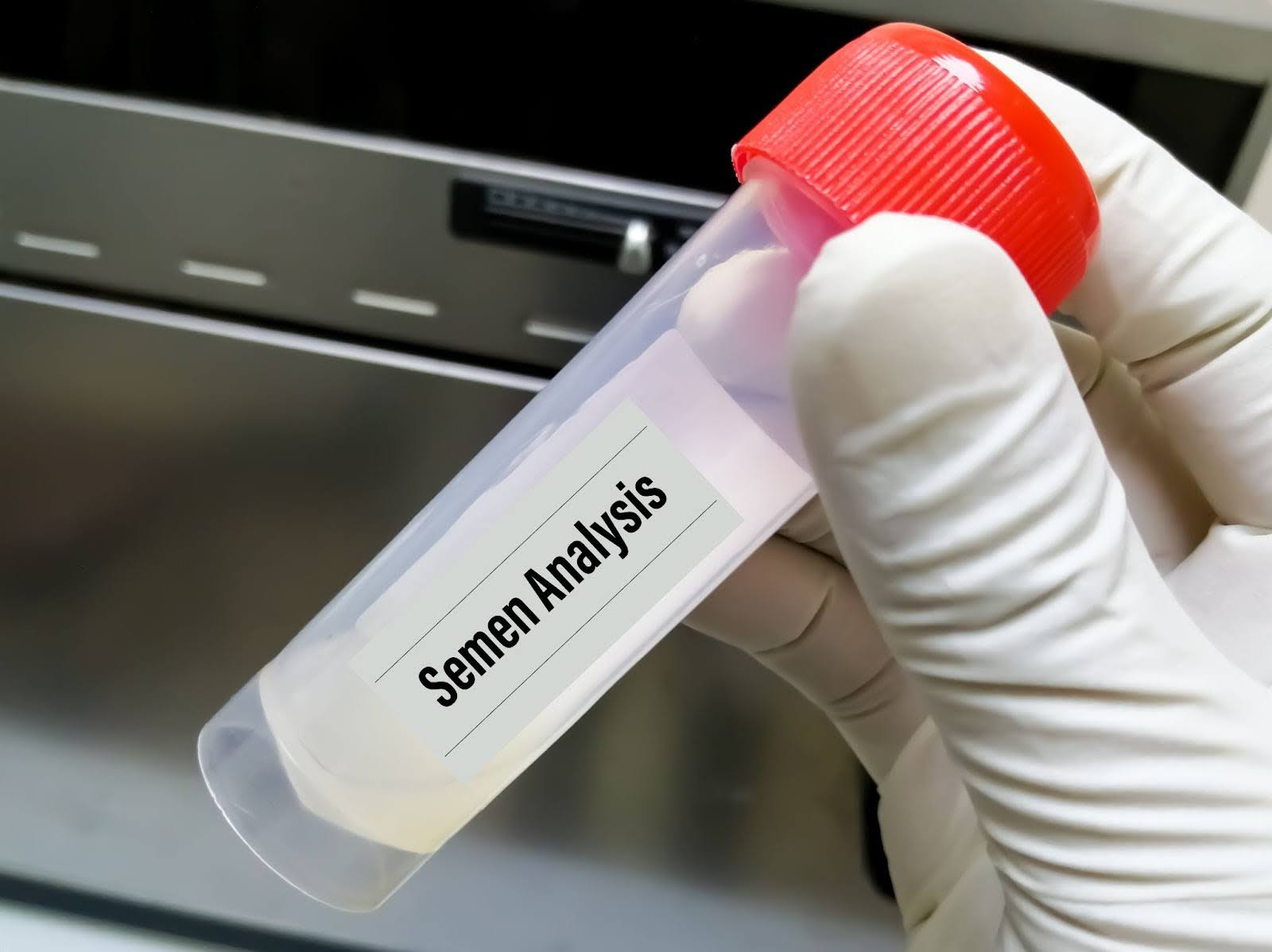
- Semen Analysis: Tests sperm quality in males.
- Blood Tests: Checks hormone levels for ovulation and imbalances.
- Imaging Tests: Ultrasounds for women, sometimes scrotal ultrasounds for men.

Treatment Options for Infertility
An endocrinologist can treat infertility by focusing on hormonal imbalances that affect reproductive health. Dr Vikram will tailor your treatment plan according to your condition, which typically includes:
- Fertility Medications:
- For Women: Clomiphene or gonadotropins to stimulate ovulation.
- For Men: Clomiphene, gonadotropins or Anastrozole to improve sperm production.
- Hormone Therapy: Treating low testosterone in men or other hormonal imbalances that affect sperm production and function.
- Lifestyle Changes: Quitting smoking, reducing alcohol, managing stress, and maintaining a healthy weight improve fertility.
- Dietary Modifications: A nutrient-rich diet with supplements like folic acid, zinc, and omega-3 fatty acids can support reproductive health.

If you or your loved ones are suffering from infertility, please schedule an appointment with our Senior Consultant Endocrinologist, Dr Vikram from Harmony Thyroid, Endocrinology, and Diabetes Centre. He is an expert in hormonal disorders affecting both females and males and can thus help you take charge of your reproductive issues.
References:
- Cleveland Clinic. Infertility: Causes & Treatment. Cleveland Clinic. Published April 19, 2023. https://my.clevelandclinic.org/health/diseases/16083-infertility
- Infertility: Causes, diagnosis, risks, and treatments. www.medicalnewstoday.com. Published May 5, 2022. https://www.medicalnewstoday.com/articles/165748#risk-factors